Featured
Table of Contents
Equally as you would certainly see a physician for a physical wellness problem, getting in touch with a mental wellness professional for emotional or psychological difficulties is a wise, aggressive option. If you're still undecided about whether treatment is ideal for you, start with the 10 points nobody tells you regarding starting therapy or some of the most frequently asked concerns regarding therapy. Past the research study, treatment offers sensible advantages that expand much beyond signs and symptom reduction.
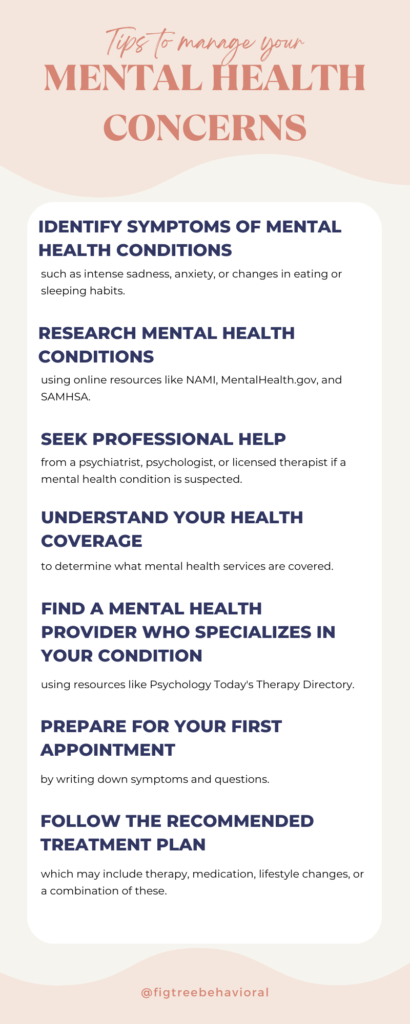
A therapist aids you understand what you're feeling, providing assistance and understanding that can be grounding, specifically if you have actually been lugging things alone for a long period of time. When you're in the center of stress or uncertainty, it can be tough to see the complete photo. Specialists bring an outdoors perspective that isn't formed by your past, your relationships, or your expectations of yourself.
If you've made it this much and you're still asking on your own, "do I require treatment?" the answer is possibly indeed. Also if you doubt, attempting treatment doesn't devote you to anything irreversible. Think of it as a financial investment in yourself and your wellness. Beginning therapy does not have to be overwhelming or take months.
Your specialist helps you mirror, make connections, and comprehend yourself with more clarity. Many sessions end with a quick check-in to aid you feel based and prepared for the week ahead.
Self-Criticism Balance
Your specialist can additionally help figure out which technique fits ideal based on your goals and preparedness. It's handy to recognize the distinction in between inpatient vs. domestic therapy, as well as inpatient therapy vs. outpatient treatment. Optimal treatment takes into account a teenage's specific needs and history, as well as their extent of their diagnosis.
Teens could get therapy initially in an inpatient mental wellness unit of a healthcare facility, transfer to a household setting, step down to an outpatient program, and after that get once a week therapy and/or go to support groups at an area teen psychological wellness. Given all these choices, it can be tough for moms and dads to identify the difference, not to mention understand what their youngster needs to recuperate.
Understanding Child & Adolescent Therapy
Within those groups are extra refined distinctions. Allow's have a look at the difference between inpatient and domestic therapy, in addition to inpatient vs. outpatient mental wellness programs. The main differences in between inpatient vs. property therapy are where it takes area, the size of stay, and the overall therapy goals.
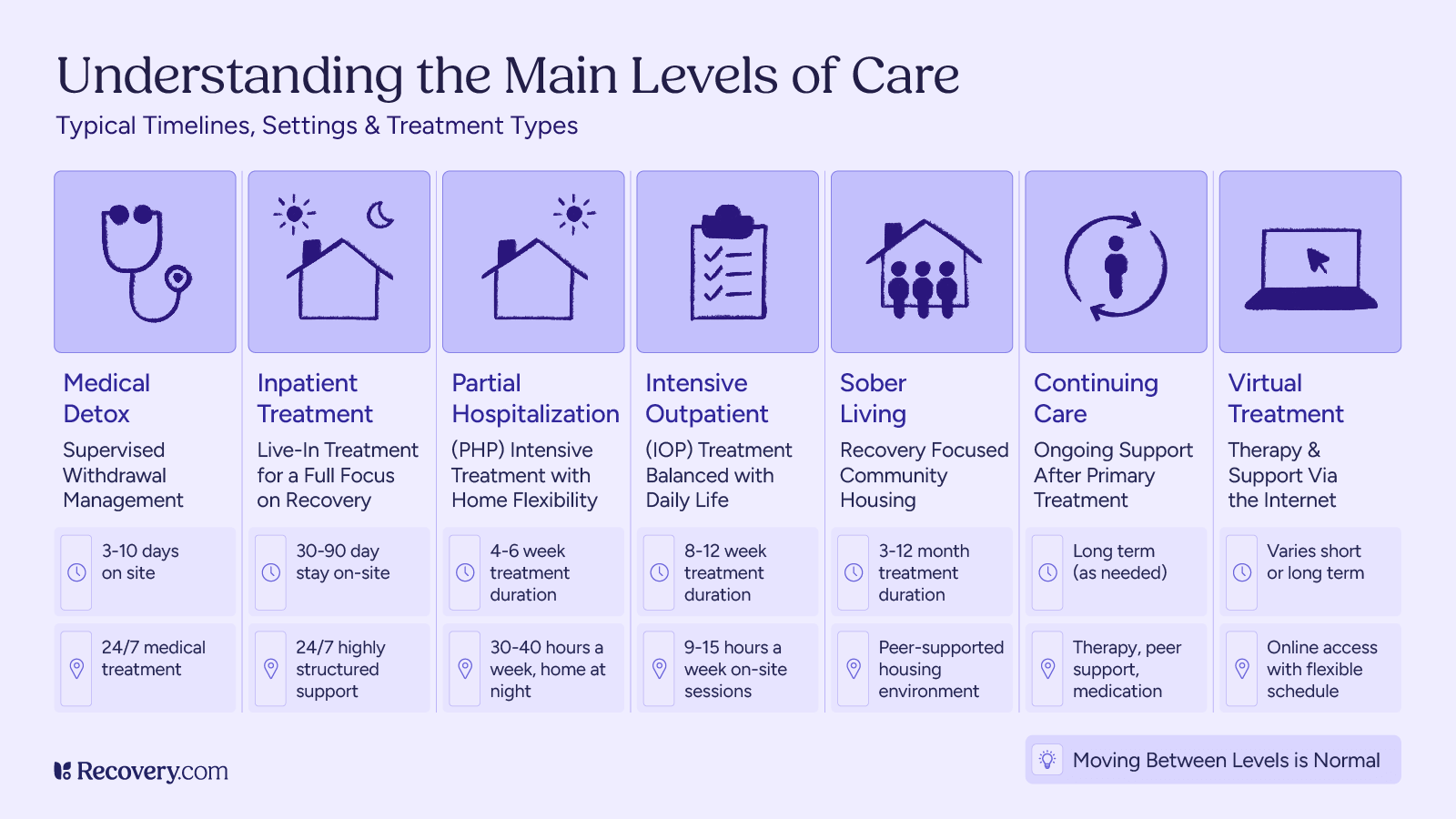
Generally, inpatient treatment is for teenagers that are in the intense phase of a mental wellness disorder and need constant assistance. Thirty days is generally the optimum time for inpatient teen psychological wellness therapy.
Overwhelm Prevention for Professionals
Some healthcare facilities offer compound abuse therapy. Furthermore, a psychological health center might have a specific device for consuming disorders. Normally, the objective of inpatient therapy is to support the client and guarantee they are not a risk to themselves or others. Following inpatient therapy, teenagers who need long-lasting care are commonly transferred to teen household therapy, often referred to as residential inpatient therapy.
property treatment, it's valuable to comprehend that domestic therapy concentrates on long-term healing rather than situation administration. Since teens remain for one to 3 months in residential treatment, there is even more time to deal with the source of psychological wellness and behavior concerns. We understand that connecting can be tough.
While in residential therapy, clients live in a comfortable, homelike setup and are managed by experienced team. Team members include psychoanalysts, specialists, therapists, nurses, dietitians, and experiential treatment practitioners.
Postpartum Mental Health
It's tough for moms and dads to send their kid far from home. The lasting advantages of this selection can be life changing. Research reveals that the framework and continuous support of a domestic program is one of the most reliable way to achieve long-lasting recovery from clinical depression, anxiety, injury, and co-occurring behavioral issues like drug abuse and self-harm.
When researching psychological health alternatives, it's natural to begin the search close to home. The ideal mental health and wellness treatment for an individual's particular diagnosis and demands might not be available in your area.
Tracking and Growth in Child & Adolescent Therapy
Within those groups are more subtle differences. Allow's take an appearance at the distinction in between inpatient and household therapy, along with inpatient vs. outpatient mental health programs. The primary differences between inpatient vs. residential therapy are where it takes area, the length of remain, and the total treatment goals.
Typically, inpatient treatment is for teens that are in the intense phase of a psychological health problem and need continuous assistance. Thirty days is generally the optimum time for inpatient teen mental health therapy.
Normally, the objective of inpatient therapy is to support the person and guarantee they are not a threat to themselves or others. Adhering to inpatient therapy, teenagers that call for lasting care are often moved to teen property therapy, in some cases referred to as household inpatient therapy.
residential treatment, it's valuable to comprehend that residential treatment focuses on lasting healing instead of situation monitoring. Because teenagers remain for one to three months in residential treatment, there is more time to attend to the root causes of psychological health and wellness and behavior concerns. We understand that getting to out can be tough.
Common Signals
While in household therapy, customers live in a comfy, homey setup and are monitored by qualified personnel. Staff members include psychoanalysts, therapists, counselors, nurses, dietitians, and experiential therapy professionals.
It's hard for moms and dads to send their child away from home. Nonetheless, the long-term benefits of this selection can be life transforming. Research shows that the framework and ongoing assistance of a domestic program is the most effective way to accomplish long-lasting recuperation from anxiety, anxiety, trauma, and co-occurring behavioral problems like drug abuse and self-harm.
When researching psychological health and wellness alternatives, it's natural to start the search close to home. The best psychological health treatment for a person's particular medical diagnosis and demands might not be available in your area.

Latest Posts
Finding the Right Practice
A Journey Through Psychoanalytic Work with Autism Testing & Evaluations
Why to Consider Trauma-Focused Work for Personal Growth