Featured
Table of Contents
- – Comprehending Transgenerational Trauma in Immi...
- – Why Typical Therapy Loss Short
- – The Bicultural Therapy Benefit
- – EMDR: Evidence-Based Treatment for Complicated...
- – Multilingual Treatment: Language and Emotional...
- – On-line Treatment: Getting Rid Of Barriers to ...
- – Key Therapy Components for Bicultural Mental H...
- – Typical Therapeutic Focus Locations
- – The Cultural Context of Mental Health
- – Treatment Timeline and Assumptions
- – Keywords for Locating Bicultural Treatment
- – Taking the Very First Step
Grown-up kids of immigrants deal with distinct mental health obstacles that common therapy usually misses out on. The consistent negotiation between social globes, unmentioned household assumptions, and inherited trauma patterns call for specific understanding-- not just scientific training, yet lived cultural competence.
Comprehending Transgenerational Trauma in Immigrant Families
Transgenerational injury refers to psychological and psychological wounds gave through generations. When parents experience battle, required migration, persecution, or survival-level challenge, their nerve systems adjust to constant hazard. These adjustments-- hypervigilance, psychological suppression, wonder about of outsiders-- often transfer to their children through parenting styles, family dynamics, and also epigenetic changes.
And second-generation Americans often experience anxiousness, shame, depression, and identity confusion without understanding the resource. Usual manifestations consist of persistent anxiety in spite of secure conditions, trouble establishing borders with family, guilt over personal options that vary from social standards, emotional tingling or trouble sharing sensations, perfectionism and anxiety of failure, and consistent insecurity regardless of unbiased success.
Study shows these aren't character flaws-- they fidget system reactions inherited from parents that survived in survival mode.
Why Typical Therapy Loss Short
Standard therapeutic strategies were created mostly by and for white, Western populations. When specialists lack social competence, they usually misinterpret culturally normative habits as pathological. Family members closeness ends up being "enmeshment." Respect for elders comes to be "failure to individuate." Cumulative values end up being "codependency."
This social mismatch creates a number of issues. Therapy recommendations conflict with cultural values, creating impossible choices. Clients feel misinterpreted and revoked, lowering treatment performance. Social toughness and strength aspects go unrecognized. Embarassment and regret heighten instead of deal with.
For immigrant family members, treatment has to honor both the cultural context and the psychological reality-- identifying that bicultural identification isn't a trouble to address but a legit experience calling for specialized support.
The Bicultural Therapy Benefit
Bicultural specialists bring vital understanding that transcends medical training. They recognize the subtleties of navigating 2 worth systems, comprehend household characteristics within cultural context, speak the exact same social language (commonly actually), validate the intricacy without pathologizing either society, and determine transgenerational injury patterns common in immigrant communities.
This social attunement enables deeper, quicker therapeutic job. Customers spend less time discussing and defending their experience, and even more time in fact healing.
EMDR: Evidence-Based Treatment for Complicated Injury
Eye Movement Desensitization and Reprocessing (EMDR) has actually proven specifically reliable for adult children of immigrants dealing with transgenerational injury. Unlike standard talk treatment, EMDR helps the mind reprocess traumatic memories and limiting ideas kept at a neurological degree.
EMDR resolves bilateral stimulation (eye activities, tapping, or sounds) while refining distressing memories or ideas. This helps the mind total disrupted handling, decreasing psychological fee and physical distress associated with injury.
For bicultural people, EMDR addresses inherited limiting beliefs like "I'm inadequate," "I don't belong anywhere," "My requirements don't matter," "Success means betraying my family," and "I need to be excellent to deserve love."
Study demonstrates EMDR's efficiency for PTSD, complicated trauma, anxiousness problems, anxiety, and social change issues-- all typical among immigrant populaces.
Multilingual Treatment: Language and Emotional Processing
For numerous bicultural people, psychological experiences are inscribed in a different way across languages. Childhood years memories and family characteristics frequently exist in the native language, while adult experiences and professional identification connect to English.
Bilingual therapy allows clients to access much deeper psychological product by relocating between languages as required. This catches subtleties lost in translation and addresses the reality that some feelings simply do not have equal words throughout languages.
On-line Treatment: Getting Rid Of Barriers to Specialized Care
Finding culturally skilled therapists learnt trauma-specific techniques can be virtually impossible in lots of locations. Online treatment removes geographical limitations, making specialized bicultural therapy accessible statewide.
Research studies verify on-line treatment produces comparable results to in-person therapy for anxiousness, anxiety, injury, and stress and anxiety administration. EMDR equates successfully to telehealth via screen-based eye motions, self-administered tapping, or reciprocal sound excitement.
Fringe benefits include versatility for busy specialists and caregivers, no commute time or website traffic stress, personal privacy and comfort of home environment, and simpler scheduling throughout time areas.
Key Therapy Components for Bicultural Mental Health
Efficient therapy for grown-up youngsters of immigrants need to consist of verifying the bicultural experience without decreasing either point of view, checking out family characteristics within their social context, processing transgenerational injury utilizing evidence-based techniques like EMDR, addressing details challenges like guilt, anxiousness, and identity complication, establishing boundary-setting abilities that respect social values, and structure authentic identification that integrates rather than chooses in between societies.
The objective isn't to reject cultural heritage or disregard American worths-- it's to establish an integrated feeling of self that draws strength from both.

Typical Therapeutic Focus Locations
Bicultural therapy normally deals with shame around individual choices that differ from household assumptions, stress and anxiety related to frustrating parents or cultural area, identification complication from living between 2 value systems, partnership challenges consisting of dating and marriage across societies, career choices and adult approval, interaction troubles with immigrant parents, and handling certain injuries connected to immigration, discrimination, or cultural variation.
Several clients also function with despair for moms and dads' sacrifices and lost possibilities, rage at cultural limitations or unfair expectations, and embarassment around not being "sufficient" in either culture.
The Cultural Context of Mental Health
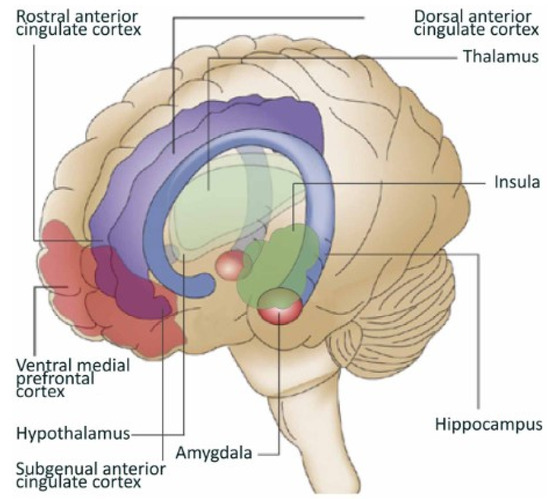
In numerous immigrant cultures, mental wellness battles bring significant stigma. Seeking treatment can seem like confessing failure, being thankless, or bringing embarassment to the family. Bicultural therapists recognize these problems and can help customers browse them.
Treatment often includes psychoeducation concerning just how trauma impacts the nerve system, normalizing mental health struggles within social context, establishing language to talk about therapy with family if preferred, and recognizing cultural strengths while attending to areas of battle.
Treatment Timeline and Assumptions
Healing transgenerational trauma differs commonly based upon complexity of trauma, individual goals and preparedness, therapeutic approach used, and consistency of treatment involvement.
Some customers experience substantial alleviation within weeks using extensive EMDR techniques. Others profit from longer-term therapy that deals with numerous layers of trauma and identification growth. Both paths stand.
The therapeutic relationship matters significantly. Locating a provider who comprehends your social history and uses evidence-based methods for trauma makes substantial difference in outcomes.
Keywords for Locating Bicultural Treatment
Relevant search terms consist of bicultural therapy, treatment for adult youngsters of immigrants, transgenerational trauma therapy, EMDR for social injury, very first generation American counseling, 2nd generation immigrant therapy, bilingual therapy, Spanish-speaking EMDR therapist, cultural identification therapy, immigrant family members treatment, and complex injury therapy.
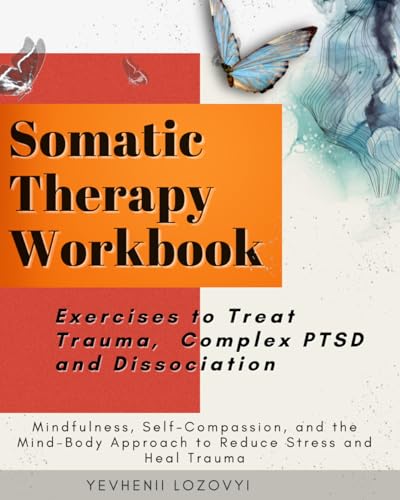
Try to find specialists with particular training in injury techniques (EMDR certification, Somatic Experiencing, and so on) and demonstrated social proficiency with lived experience or specialized training.
Taking the Very First Step
If you're having problem with the weight of two societies, experiencing anxiety or shame you can not fully discuss, really feeling disconnected from your genuine self, or acknowledging patterns from your parents' injury in your very own life, specialized bicultural treatment can aid.
Several specialists use complimentary assessments to figure out fit. This permits you to analyze whether the company really recognizes your social context and has the clinical abilities to attend to complex injury.
[:city,state,lurl] Therapist in Irvine,CA,https://empoweruemdr.com/therapist-in-irvine [/x]Your bicultural identification isn't a deficiency-- it gives possible strength and durability. With the appropriate therapeutic support, you can heal acquired wounds, create authentic identity, and build a life that honors both your heritage and your individual reality.

Table of Contents
- – Comprehending Transgenerational Trauma in Immi...
- – Why Typical Therapy Loss Short
- – The Bicultural Therapy Benefit
- – EMDR: Evidence-Based Treatment for Complicated...
- – Multilingual Treatment: Language and Emotional...
- – On-line Treatment: Getting Rid Of Barriers to ...
- – Key Therapy Components for Bicultural Mental H...
- – Typical Therapeutic Focus Locations
- – The Cultural Context of Mental Health
- – Treatment Timeline and Assumptions
- – Keywords for Locating Bicultural Treatment
- – Taking the Very First Step
Latest Posts
Treating Discrimination and Systemic Trauma
Why Insight Into Your Trauma Isn't Sufficient for Healing
Time to develop as safety emerges
More
Latest Posts
Treating Discrimination and Systemic Trauma
Why Insight Into Your Trauma Isn't Sufficient for Healing
Time to develop as safety emerges